
Bombs and boycotts
Notes on where I'm at

I’ve been quiet on socials and here on Substack for the last few months. The world is a lot, and like everyone else, I’ve felt it keenly.
The act of sharing my work has always felt vulnerable, but now after two years of genocide, the seemingly bottomless violence of Israel and the casual violence of America’s chief autocrat, writing in public has felt virtually impossible.
What can you say that has any meaning? What right do any of us have to speak when others cannot? How dare we not speak when others are suffering? I have struggled with how to meet the world when it is like this even as I am aware that this is precisely the work of caring about and fighting for a more just world. The work requires us to write precisely because it is is hard; the work requires accepting that to write is to believe — and nothing is changed without belief.
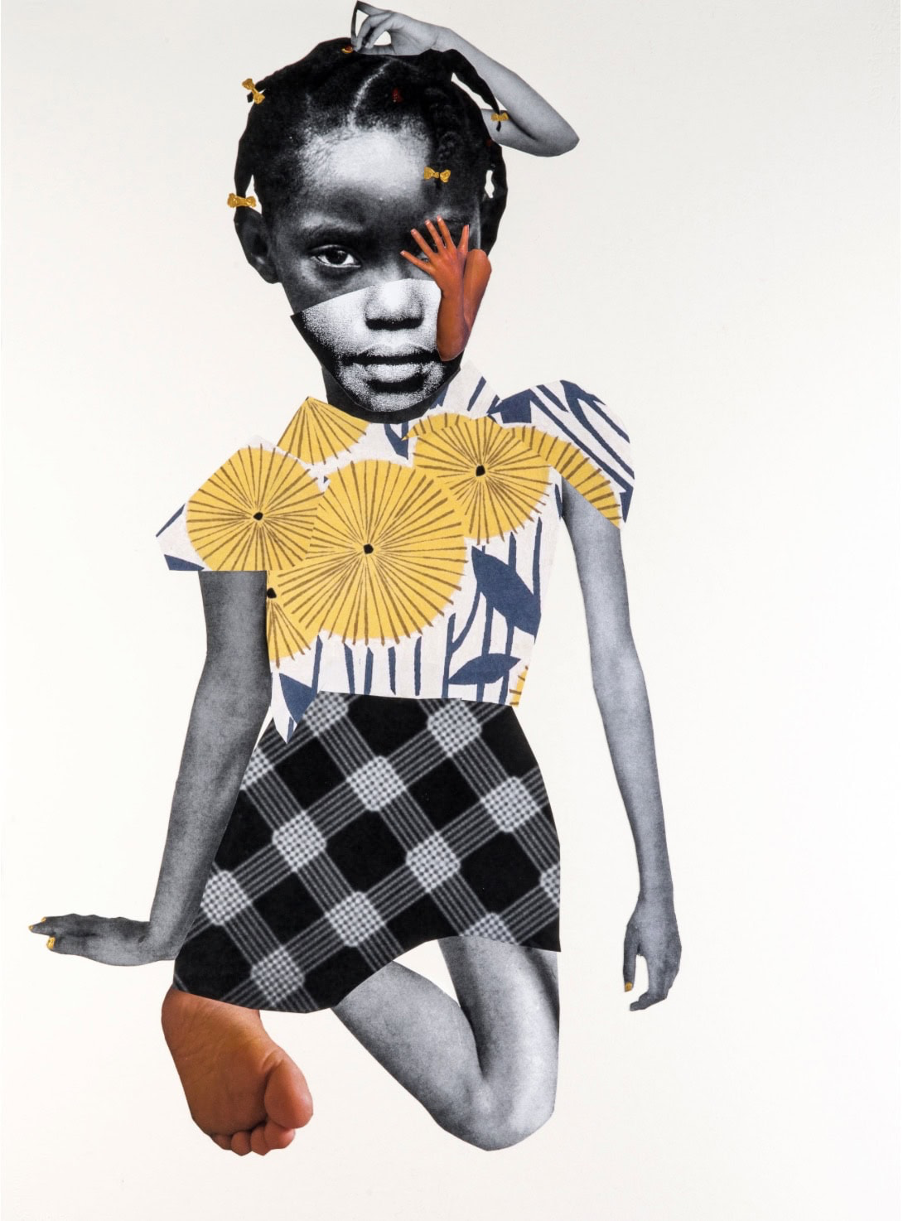
There’s a Nikita Gill poem titled after the James Baldwin line, “every bombed village is my hometown,” and it’s been doing the rounds for a while now. You’ve probably read it or heard it at a protest. It’s worth re-sharing a million times over — its the kind of poem that feels like it’s existed forever. Gill writes,
“Every bombed village is my hometown” — James Baldwin
And every dead child is my child.
Every grieving mother is my mother.
Every crying father is my father.
Every home turned to rubble is the home I grew up in.
Every brother carrying the remains of his brother across borders is my brother.
Every sister waiting for a sister who will never come home is my sister.
Every one of these people are ours,
Just like we are theirs.
We belong to them and they belong to us.
***

Over the last few months I’ve been working on a podcast about how South Africans fought apartheid and the role Australians played in supporting them.
It’s called Boycott! The fight to end apartheid, and its produced by the Australian Broadcast Corporation (it’s told for an Australian audience so keep that in mind). The first episode is out now and you can find it in all the usual places.
It’s an important story for me – bringing together the country of my heart, with the country where I now live. It’s about the past, but - because its also about how so many people followed their consciences against a system that was so morally wrong - its also a story for our times.
I hope you enjoy it.
Sisonke